Seaweed, a diverse group of marine algae, has long been recognized for its rich nutrient profile and its potential as a natural fertilizer. Seaweed fertilizers, derived from various species of macro algae, offer a unique combination of minerals, vitamins, enzymes, and plant growth regulators that can significantly enhance plant health and productivity. This article delves into the characteristics of seaweed fertilizer and elucidates its multifaceted benefits for plants.
Balanced Nutrient Composition: Seaweed fertilizers are known for their balanced blend of macro and micro nutrients, including nitrogen (N), phosphorus (P), potassium (K), calcium (Ca), magnesium (Mg), sulfur (S), iron (Fe), zinc (Zn), and copper (Cu). These nutrients are essential for robust plant growth and development.
Rich in Bioactive Compounds: They contain an array of bioactive compounds such as cytokinins, auxins, gibberellins, and betaines, which act as natural plant growth hormones. These substances stimulate cell division, root development, and enhance stress tolerance in plants.
Organic Matter Content: Seaweed is a rich source of organic matter, which improves soil structure, enhances water-holding capacity, and fosters beneficial microbial activity in the soil.
Non-Toxic and Eco-Friendly: Unlike synthetic fertilizers, seaweed fertilizers are environmentally friendly, biodegradable, and do not pose risks of soil or water pollution. They are safe for use around children, pets, and wildlife.
Stress Relief Properties: Seaweed contains alginates and mannitol, which help plants cope with environmental stresses such as drought, frost, salinity, and heavy metal toxicity.
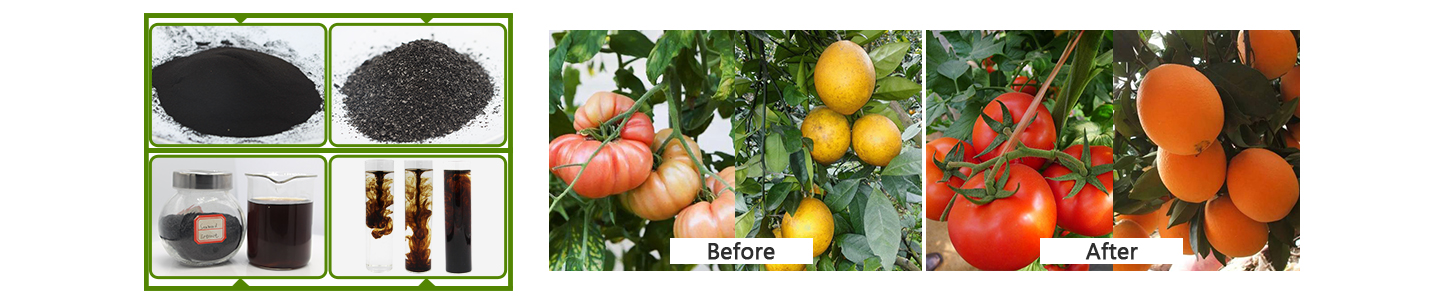
Improved Seed Germination: Application of seaweed extracts to seeds prior to planting can enhance germination rates and produce stronger seedlings due to the stimulation of early root development.
Enhanced Nutrient Uptake: The presence of natural chelating agents in seaweed fertilizer facilitates the absorption of nutrients by plants, ensuring efficient utilization of soil nutrients.
Boosted Growth and Yield: The balanced nutrient content and growth hormones in seaweed fertilizers promote overall vegetative growth, leading to larger plants and increased crop yields.
Strengthened Immunity: Seaweed’s bioactive compounds boost the immune system of plants, making them more resistant to diseases and pests. This reduces the need for chemical pesticides and fungicides.
Increased Stress Tolerance: Regular application of seaweed fertilizer helps plants develop a stronger defense mechanism against abiotic stresses like drought, heat, and cold, thereby improving plant survival rates.
In conclusion, seaweed fertilizer, with its unique composition and organic nature, offers a holistic approach to plant nutrition and care. Its application not only promotes healthier and more productive plants but also contributes to sustainable agriculture practices by reducing reliance on synthetic inputs. As awareness about environmental sustainability grows, seaweed-based fertilizers are increasingly being recognized as a valuable tool in modern farming and gardening practices.