Humic acid fulvic acid comes in a few different forms: powder, fkahes, granular, liquid. You can apply dry humic acid powder to your soil, or you can dissolve it in water and deliver it to your crops through watering. Or dilute it, then deliver it to your crops via watering.
What is the benefits of humic acid fulvic acid for crops?
For crops, humic and fulvic acids are chelators. They combine minerals to make them into organic compounds that can be ingested by plants more easily. They also enable the soil to hold more water and can increase the water infiltration of the soil. Additionally, humic and fulvic acids restrict toxins present in the soil, reducing the amount of harmful substances that reach the crop’s roots.
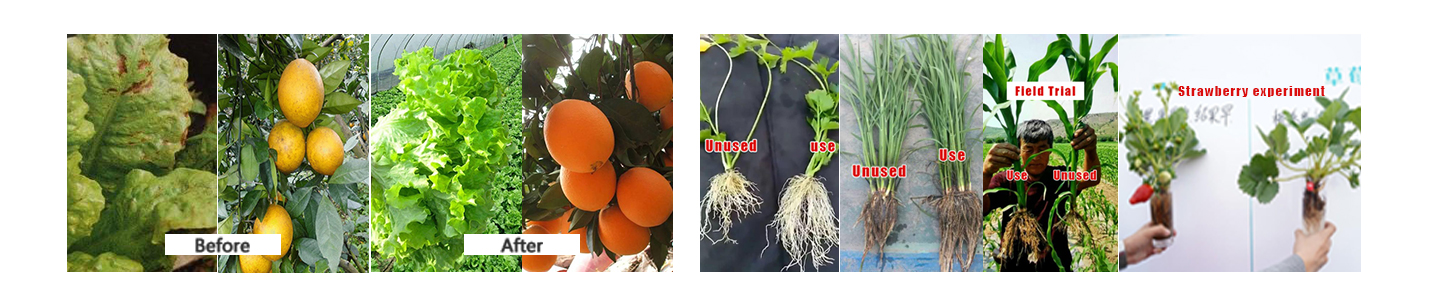
Using organic fertilizer humic acid fulvic acid to grow better crops.
Their primary asset is how they naturally facilitate your crop’s absorption and use of nutrients. Fulvic acids are natural chelates. When you introduce the micronutrients your crops need into their environment, the fulvic acids form bonds to protect them from reacting with other ions in the plant’s environment and potentially being overpowered by them. Bonded to the chelate, the nutrients can travel up the plant’s roots into its tissue, where the chelator can release them.
Chelation makes otherwise insoluble nutrients soluble, increasing their bioavailability to crops. In addition to making more nutrients available to your crops, humates promote root growth. More roots mean more avenues for nutrient absorption for your crops, and within those avenues, chelators carry and protect the building blocks for healthy, hardy crops.