Abstract: Mineral-source humic acid (MSHA), derived from ancient, high-purity leonardite and lignite deposits, has become a definitive input in modern high-value fruit production systems. Unlike organic-source counterparts, MSHA offers superior molecular stability, higher functional group density, and consistent bio-activity. This report examines the multifaceted roles of MSHA in optimizing nutrient use efficiency (NUE), enhancing fruit organoleptic qualities, and fostering climate-resilient orchard management.
The global market for high-value fruits—such as table grapes, cherries, blueberries, and tropical specialties—demands rigorous standards for size, color intensity, Brix (sugar content), and post-harvest stability. Achieving these premium attributes requires precision nutrition strategies that go beyond traditional N-P-K fertilization. Mineral-source humic acid serves as a powerful biostimulant that addresses the physiological complexity of fruit crops through rhizosphere enhancement and direct metabolic modulation.
KHUMIC’s mineral-source humic acid is characterized by its high-performance chemical profile:
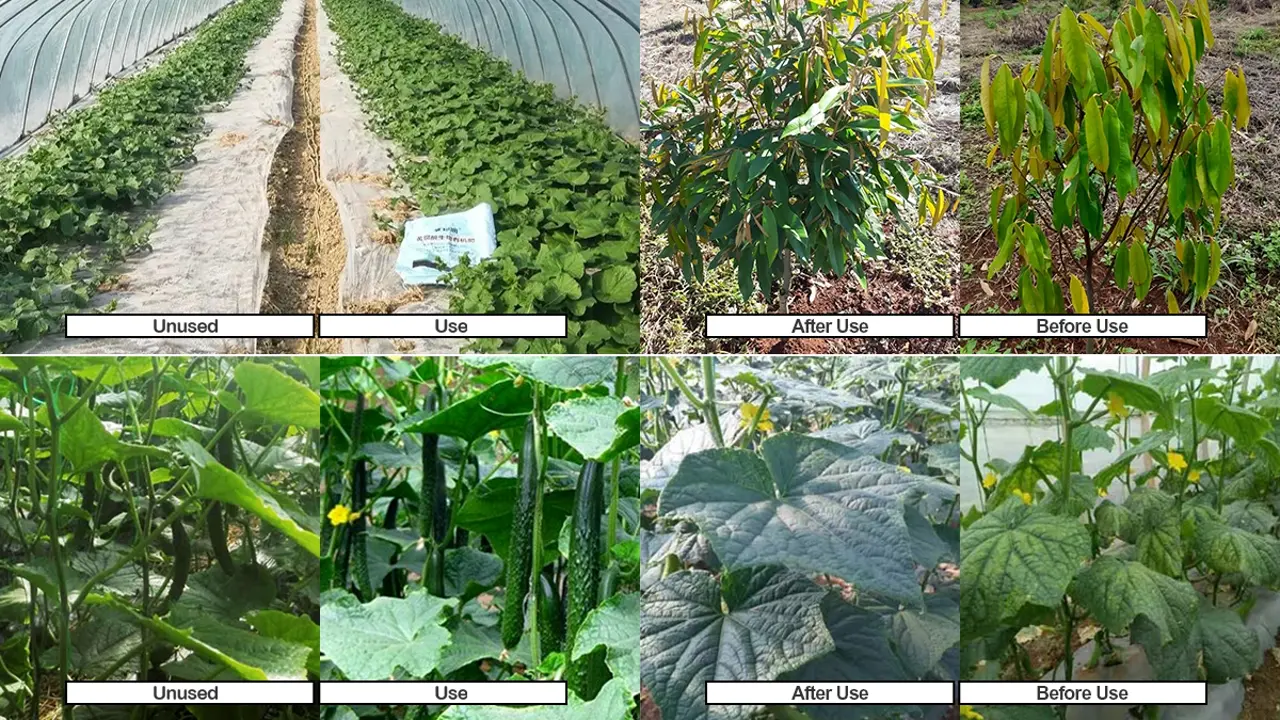
In professional vineyards, MSHA application during the veraison stage delivers measurable ROI:
Pre-harvest applications of potassium humate (MSHA-derived) are critical for export quality:
In challenging tropical climates, MSHA optimizes resource management:
MSHA serves as a vital carbon substrate for beneficial soil microorganisms (e.g., Bacillus and Pseudomonas), which are essential for phosphate solubilization and systemic induced resistance (SIR). Furthermore, MSHA’s ability to maintain root membrane integrity under osmotic stress provides a cost-effective adaptation strategy for orchards facing drought or soil salinity.
KHUMIC’s advanced MSHA formulations are designed for seamless integration into high-tech farming:
As residue-conscious markets expand, MSHA offers distinct advantages over synthetic inputs:
Mineral-source humic acid is no longer just a soil conditioner; it is a scientifically validated tool for fruit quality optimization. By bridging the gap between basic soil fertility and premium market requirements, MSHA empowers producers to differentiate themselves in a competitive global landscape.